Natural Watercolor Bush Corner Foliage: A Versatile Resource for Visual Artists and Designers
For digital artists, illustrators, and graphic designers, the search for high-quality, adaptable visual assets is ongoing. Among the most valuable tools in this pursuit are collections like Natural Watercolor Bush Corner Foliage, which offer a realistic and artistic touch to a variety of design projects. These downloadable assets, often bundled in ZIP files containing EPS, JPG, and PNG formats, provide a seamless way to integrate organic textures and botanical elements into digital compositions.
Understanding the Composition of Natural Watercolor Bush Corner Foliage
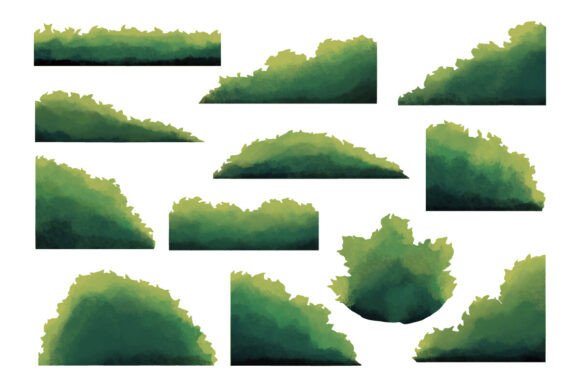
The Natural Watercolor Bush Corner Foliage collection is specifically designed to mimic the natural growth patterns of bushes found at the edges of forests, along garden borders, or within urban green spaces. Each illustration captures the subtle variations in leaf density, color blending, and texture that occur in real-life foliage. The corner growth style is especially useful for framing scenes or adding depth to the edges of a design without overwhelming the central focus.
These illustrations are rendered in a watercolor style, which means they carry the soft edges, translucent layers, and painterly quality that make them ideal for both traditional and digital art. The watercolor effect adds a sense of authenticity and warmth, making these assets a favorite among illustrators who want to maintain a hand-crafted aesthetic while working digitally.
Practical Applications Across Creative Fields
Designers and artists from various disciplines find the Natural Watercolor Bush Corner Foliage collection incredibly useful. Here are some of the most common use cases:
- Illustration and Book Design: These foliage elements are often used to frame pages, create chapter dividers, or add background texture to illustrated scenes. Children's books, botanical guides, and nature-themed publications benefit greatly from this kind of organic imagery.
- Web and UI Design: For websites that aim to evoke a natural or eco-friendly vibe, these elements can be used as decorative accents, background textures, or hover effects. Their soft watercolor appearance makes them visually soothing without being distracting.
- Print Media and Stationery: Wedding invitations, greeting cards, and packaging designs often incorporate these foliage illustrations to add a touch of elegance and nature-inspired charm.
- Interior Design Visualization: Designers use these assets to enhance digital mood boards, room layouts, or concept sketches where natural elements play a key role in the overall aesthetic.
Technical Benefits of the File Formats
One of the key advantages of the Natural Watercolor Bush Corner Foliage package is the inclusion of multiple file formats. Each format serves a different purpose and offers flexibility depending on the software being used:
- EPS (Encapsulated PostScript): This vector-based format is ideal for scaling without loss of quality. It’s commonly used in Adobe Illustrator for detailed illustrations and print-ready designs.
- JPG (Joint Photographic Experts Group): A widely supported raster format that is suitable for web use and basic editing. It maintains a balance between quality and file size.
- PNG (Portable Network Graphics): Offers transparency support and lossless compression, making it ideal for overlaying foliage elements on various backgrounds without visible edges or pixelation.
How to Integrate Natural Watercolor Bush Corner Foliage into Your Workflow
Incorporating these assets into your creative process is straightforward, especially with the variety of file types provided. Here’s a general workflow that can be adapted based on your design needs:
- Choose the Right Format: If you're designing for print or need scalability, opt for EPS. For web or layered digital work, PNG is typically the best choice. JPG works well for simple backgrounds or previews.
- Layer Strategically: Use the corner growth elements to enhance the edges of your layout. For example, placing foliage in the bottom corners of a poster can create a natural frame and guide the viewer’s eye toward the center.
- Adjust Colors and Opacity: Since these are watercolor illustrations, they often come with a range of hues and soft gradients. Adjusting the opacity or applying color overlays can help blend them seamlessly with your design palette.
- Combine with Other Elements: Pair these foliage illustrations with other natural elements like trees, flowers, or grasses to build a cohesive scene. Many designers use them alongside similar watercolor assets to create full environmental backdrops.
Considerations for Optimal Use
While the Natural Watercolor Bush Corner Foliage collection is user-friendly, there are a few considerations that can help ensure the best results:
- Resolution Matters: Always check the resolution of the files, especially when using them for print. High-resolution EPS files are typically preferred for professional output.
- Respect Licensing Terms: These assets are usually distributed under specific usage licenses. Make sure to understand whether the package allows for commercial use, redistribution, or modification.
- Test in Different Contexts: What looks great on a white background may not work as well on a textured or colored backdrop. Experiment with placement and blending modes to achieve the desired effect.
Why This Collection Stands Out Among Digital Assets
In a market flooded with generic clipart and overly stylized graphics, the Natural Watercolor Bush Corner Foliage collection offers a refreshing blend of realism and artistic expression. Unlike computer-generated foliage, these illustrations carry the imperfections and charm of hand-painted elements, making them more relatable and visually engaging.
Moreover, the corner growth design addresses a specific need in layout composition—filling negative space without crowding the design. This makes the collection especially valuable for projects where balance and visual harmony are crucial.
Real-World Examples of Effective Use
Many designers have successfully incorporated the Natural Watercolor Bush Corner Foliage into their projects. For instance, a wedding invitation designer might use the corner foliage to frame the text, giving the design a soft, romantic feel. A botanical educator might use the illustrations to annotate plant species in a digital field guide, enhancing clarity without overshadowing the content.
In digital art, these elements are often layered into digital paintings to add depth and realism. An artist creating a forest scene might use the foliage to build the underbrush, giving the image a more immersive quality. Similarly, in UI design, subtle corner foliage can soften the edges of a mobile app or website, making the interface feel more organic and approachable.
Final Thoughts on the Value of Natural Watercolor Bush Corner Foliage
Whether you're a professional illustrator, a web designer, or a hobbyist looking to enhance your creative projects, the Natural Watercolor Bush Corner Foliage collection offers a versatile and aesthetically pleasing solution. Its combination of natural realism, artistic flair, and technical flexibility makes it a standout asset in the world of digital design resources.
By understanding how to best utilize these elements—considering format, placement, and stylistic harmony—designers can elevate their work with minimal effort and maximum visual impact. As the demand for organic, nature-inspired design continues to grow, collections like this will remain essential tools for creators across industries.