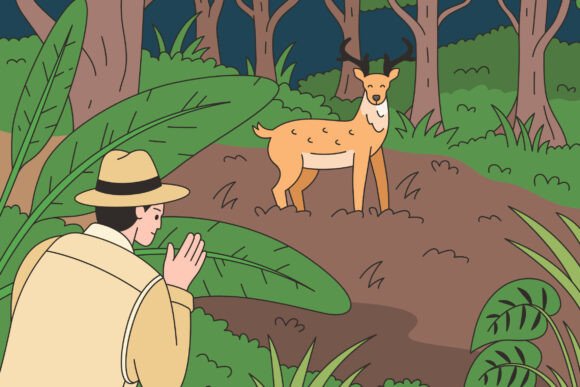
Deer Encounter: Capturing Nature’s Quiet Moments in Real-World Contexts
What Exactly Is Deer Encounter?
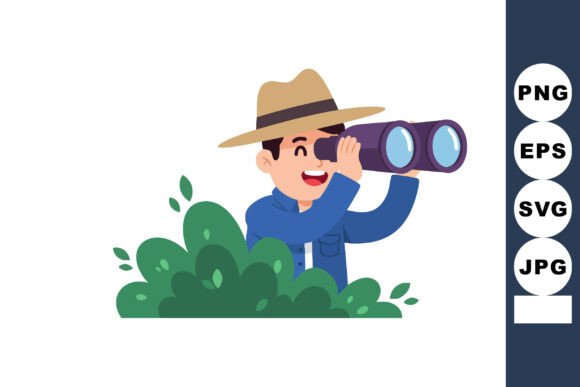
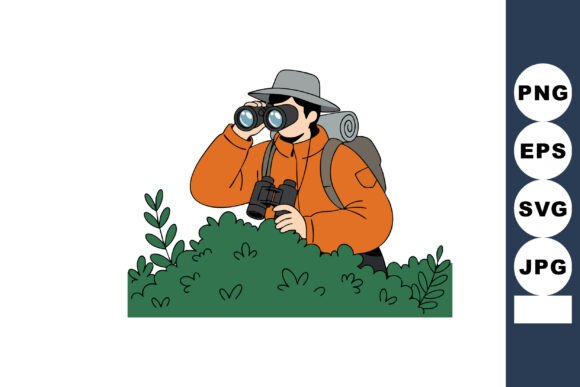
Deer Encounter is more than a simple visual representation of a deer in a forest setting. It's a carefully crafted experience that combines natural elements—like forest trees, bushes, a dirt trail, and an explorer equipped with a hat and camera—to evoke a sense of calm and curiosity. Whether used for artistic inspiration, educational purposes, or as a backdrop for storytelling, Deer Encounter offers a versatile and immersive visual tool that resonates with various audiences.
Real-World Applications of Deer Encounter
One of the most compelling aspects of Deer Encounter is its adaptability across different contexts. For instance, wildlife photographers can use the concept to plan their compositions, considering the positioning of the explorer, the deer, and the natural surroundings. Similarly, illustrators and digital artists may find the clean outlines and soft earthy tones useful as a reference for creating nature-themed artwork that feels grounded and authentic.
Outdoor educators and nature guides often incorporate visual aids like Deer Encounter to help students understand animal behavior and habitat settings. The moment captured—the explorer quietly observing a deer on a forest trail—mirrors real-life wildlife observation practices. It teaches patience, respect for nature, and the importance of non-invasive exploration.
Who Benefits from Deer Encounter and How?
Different users interact with Deer Encounter in unique ways. Here are a few examples:
- Content creators: Bloggers and YouTubers in the outdoor and nature niches can use the imagery and concept to illustrate stories or vlogs about forest encounters, wildlife photography tips, or eco-tourism experiences.
- Therapists and wellness practitioners: Visuals like Deer Encounter are often used in mindfulness exercises or as part of ecotherapy sessions to help clients connect with nature even when indoors.
- Game designers and VR developers: The clean outlines and natural setting can serve as inspiration for creating immersive forest environments in games or virtual reality experiences.
- Writers and storytellers: The scene provides a rich narrative backdrop for short stories, poetry, or even character development in novels that explore themes of solitude, discovery, or human-nature connection.
Exploring Different Scenarios and Industries
Deer Encounter finds relevance across a wide range of industries and personal pursuits. In the tourism sector, for example, nature reserves and eco-lodges can use the imagery to market their trails and wildlife experiences. The explorer’s presence with a camera subtly suggests adventure and discovery—key selling points for travel destinations.
In the realm of product design, especially for outdoor gear, the visual motif can be used in promotional materials to convey a sense of authenticity and immersion in nature. A company selling hiking boots or binoculars might incorporate Deer Encounter-style visuals to align their branding with the values of exploration and mindfulness.
For educators developing environmental curricula, Deer Encounter serves as a teaching tool to discuss wildlife behavior, habitat preservation, and ethical wildlife observation. The quiet moment between the explorer and the deer is a perfect example of how humans can coexist with nature without disrupting it.
Practical Considerations Before Using Deer Encounter
While Deer Encounter is a powerful visual and conceptual tool, there are a few considerations to keep in mind before applying it in your work or project:
- Context matters: Ensure that the use of Deer Encounter aligns with the message you want to convey. If your goal is to inspire peace and reflection, it fits perfectly. However, if you're aiming for action or urgency, it might not be the best choice.
- Target audience alignment: Think about who will be viewing or using the content. Deer Encounter appeals most to those who appreciate nature, exploration, and mindful experiences. If your audience is tech-focused or urban-centric, consider how to bridge the visual with their interests.
- Customization potential: While the core elements are fixed, you can adapt the scene to fit your needs. For example, adding text overlays, adjusting color schemes, or integrating the SVG into a larger design can enhance its relevance.
Strengths and Limitations of Deer Encounter
One of the standout strengths of Deer Encounter is its simplicity and clarity. The soft earthy tones and clean outlines make it easy to integrate into various design layouts without overwhelming the viewer. Its nature-focused moment encourages reflection and connection, which is increasingly valuable in today’s fast-paced digital world.
However, like any visual concept, it has its limitations. Because it's a specific scene, it may not resonate with audiences who prefer more dynamic or abstract imagery. Additionally, while it works well in educational and artistic contexts, it may not be suitable for highly technical or formal presentations without additional context or adaptation.
Final Thoughts Without the Label
Whether you're a content creator, educator, designer, or simply someone who appreciates the quiet beauty of nature, Deer Encounter offers a meaningful way to connect with the natural world. By understanding its applications, considering your audience, and using it thoughtfully, you can harness its full potential to inspire, educate, and engage.