Embracing Nature: The Beauty and Benefits of a House with a Green Roof and Garden Pathway
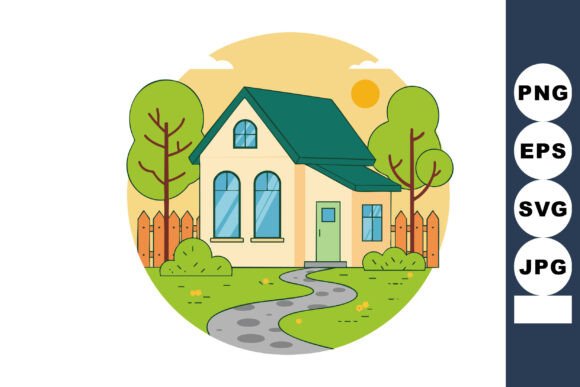
Imagine a home nestled among trees and bushes, its roof lush with greenery, and a winding stone path leading to the front door under a bright yellow sun. This serene image captures more than just visual appeal—it represents a growing movement toward sustainable living and harmonious design. In this article, we’ll explore the concept of a house with a green roof and garden pathway, its environmental and aesthetic benefits, and how it fits into modern life.
What Is a Green Roof?
A green roof is a rooftop covered with vegetation, often planted over a waterproofing layer. These roofs can be extensive, with lightweight, low-maintenance plants, or intensive, featuring deeper soil and a wider variety of plant life. The idea of green roofs isn't new—they've been around for centuries in various forms, like the sod roofs of Scandinavia. However, their modern resurgence is driven by a desire to create eco-friendly, energy-efficient buildings.
Types of Green Roofs
- Extensive Green Roofs: Lightweight, require minimal maintenance, and are often not accessible.
- Intensive Green Roofs: Heavier, more diverse in plant life, and can include walkable gardens.
- Brown Roofs: Designed to promote biodiversity, often using local materials and wild plants.
The Role of the Garden Pathway
The garden pathway in our visual example isn’t just decorative—it plays a crucial role in connecting the home to the surrounding landscape. A winding stone path adds character, encourages slower movement through the space, and integrates the home into the natural environment. Pathways can be made from various materials—stone, gravel, brick, or wood chips—and each offers different textures and visual appeal.
Design Considerations for Garden Pathways
- Curvature: Winding paths create a sense of discovery and are more visually engaging than straight lines.
- Material Choice: Natural stone or reclaimed materials add an earthy feel and sustainability.
- Plant Integration: Flanking the path with low-growing plants or lighting enhances the experience.
Why Green Roofs and Garden Pathways Matter Today
In an era of climate change and urbanization, integrating nature into architecture is more important than ever. Green roofs and garden pathways offer a multitude of benefits, from environmental to psychological. Let’s break down why these elements are gaining popularity in modern design.
Environmental Benefits
Green roofs act as natural insulators, reducing the need for heating and cooling. They also:
- Reduce urban heat island effect
- Improve air quality by filtering pollutants
- Manage stormwater runoff by absorbing rainwater
- Promote biodiversity by offering habitats for insects and birds
Psychological and Aesthetic Benefits
Being surrounded by greenery has a calming effect on the mind. Studies show that exposure to nature can reduce stress, improve mood, and boost productivity. A house with a green roof and a garden path creates a peaceful environment that invites relaxation and mindfulness.
How Green Roofs and Pathways Fit Into Modern Life
These design elements are not just for private homes. Their applications extend to urban planning, commercial buildings, and even educational institutions. Cities around the world are adopting green infrastructure to make urban spaces more livable and sustainable.
Urban Green Spaces
As cities grow denser, green roofs offer a way to bring nature into limited spaces. Rooftop gardens can be used for urban farming, recreation, or simply as green oases in concrete jungles. Public buildings like schools and libraries are increasingly incorporating these features to enhance learning environments and community engagement.
Commercial and Residential Integration
Businesses are recognizing the value of green roofs in attracting customers and reducing operational costs. Meanwhile, homeowners are choosing green roofs for their energy efficiency, aesthetic appeal, and long-term value. Garden pathways, too, are being used to enhance curb appeal and create welcoming entrances.
Overcoming Common Misconceptions
Despite their benefits, some people hesitate to adopt green roofs due to misconceptions. Let’s address a few of these:
- Misconception: Green roofs are high maintenance. Reality: Extensive green roofs require minimal care once established.
- Misconception: They are too expensive. Reality: While initial costs can be higher, long-term savings on energy and maintenance often offset this.
- Misconception: Only applicable to new buildings. Reality: Many existing roofs can be retrofitted to support green systems.
Bringing the Vision to Life: Design and Implementation
Creating a house with a green roof and garden pathway involves thoughtful planning. Here’s a simplified breakdown of the process:
- Assessment: Evaluate the structural integrity of the building and local climate conditions.
- Design: Choose between extensive or intensive green roof systems and plan the layout of the garden pathway.
- Installation: Lay down waterproofing and root barrier layers, then add soil and vegetation.
- Maintenance: Regularly check for plant health, drainage issues, and structural concerns.
Choosing the Right Plants
Selecting plants suited to your climate and roof type is crucial. Sedums, grasses, and native wildflowers are popular choices for extensive roofs. For intensive roofs, shrubs and even small trees may be viable. Along the garden path, consider using ground covers, ornamental grasses, or flowering perennials to enhance visual appeal.
Downloadable Resources: SVG, EPS, JPG, and PNG Files
For those looking to visualize or promote this type of design, the downloadable ZIP file containing SVG, EPS, JPG, and PNG files of the house with a green roof and garden pathway is an invaluable resource. These files can be used for:
- Educational materials and presentations
- Architectural proposals and client pitches
- Marketing and promotional content
- Personal inspiration and planning
Whether you're an architect, educator, or homeowner, these files provide a clear, scalable representation of sustainable design in action.
Conclusion: A Step Toward Sustainable Living
The image of a house with a green roof and winding garden path is more than just picturesque—it’s a vision of the future. As we seek to live more sustainably and reconnect with nature, these design elements offer a practical and beautiful solution. By understanding their benefits, overcoming misconceptions, and embracing innovative design, we can create living spaces that are not only functional but also nurturing and inspiring.
Whether you're considering a green roof for your home or simply appreciating the aesthetics of such a design, the movement toward greener architecture is one that promises to enrich our lives and protect our planet for generations to come.