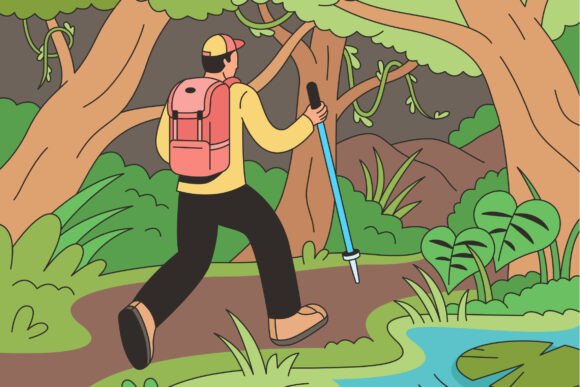
Exploring the Depths of Forest Trekking: A Solo Hiker's Journey
The Essence of Forest Trekking
Forest trekking is more than just a physical activity; it’s an immersive experience that connects individuals with nature in its purest form. Whether you're navigating through a dense forest or pausing to admire the forest canopy, each step offers a unique opportunity to engage with the environment. The rhythmic sound of a trekking pole striking the earth becomes a companion to the solo hiker, enhancing the sense of solitude and adventure.
Essential Gear for the Journey
As a solo hiker embarks on a trek, the importance of appropriate gear cannot be overstated. A well-packed backpack is essential, containing items that ensure safety and comfort. Here are some key components to consider:
- Trekking Pole: This tool aids in balance and reduces strain on the knees, especially when navigating uneven terrain.
- Navigation Tools: A map and compass, or a GPS device, can be lifesavers in unfamiliar territory.
- Hydration System: Staying hydrated is crucial; a water filter or purification tablets can provide access to clean water from streams.
- First Aid Kit: Preparedness for minor injuries or emergencies is vital for any trekking adventure.
- Appropriate Clothing: Layering allows for adaptability to changing weather conditions, ensuring comfort throughout the journey.
Understanding the Environment
As the solo hiker delves deeper into the forest, the surroundings become a tapestry of life and texture. The forest canopy overhead filters sunlight, casting dappled shadows on the forest floor. This environment is rich with biodiversity, where each bush and tree root tells a story of survival and adaptation. Observing the interplay between flora and fauna enhances the trekking experience, making it not just a physical journey but also an educational one.
Engaging with the Terrain
The terrain in a dense forest can vary dramatically. From soft moss-covered ground to rocky outcrops and tangled roots, each surface presents its own set of challenges. A trekking pole proves invaluable here, providing stability on slippery surfaces and assisting in crossing shallow streams. The sound of flowing water can often be heard, guiding hikers to refreshing spots for rest and reflection.
Wildlife Encounters
Encounters with wildlife are a thrilling aspect of forest trekking. From the rustle of leaves signaling a small animal’s presence to the majestic sight of a deer in the distance, these moments create lasting memories. It’s essential to maintain a respectful distance and avoid disturbing the natural habitat, ensuring that both the hiker and wildlife coexist harmoniously.
Benefits of Solo Forest Trekking
Embarking on a solo trekking adventure offers numerous benefits that extend beyond physical exercise. Here are some advantages to consider:
- Mental Clarity: The tranquility of the forest allows for introspection and mental rejuvenation, away from the distractions of daily life.
- Physical Fitness: Trekking through varied terrain provides a full-body workout, enhancing cardiovascular health and building strength.
- Stress Reduction: Immersion in nature has been shown to lower stress levels, promoting overall well-being.
- Enhanced Observation Skills: The need to navigate and identify features in the forest sharpens one’s observational skills and awareness of the environment.
- Personal Growth: Overcoming challenges on the trail fosters resilience and self-confidence, contributing to personal development.
Planning Your Forest Trek
Successful forest trekking begins with thorough planning. Consider the following steps to ensure a safe and enjoyable experience:
- Research the Trail: Familiarize yourself with the trail’s difficulty level, length, and any potential hazards.
- Check Weather Conditions: Be aware of the forecast and prepare for sudden changes in weather.
- Inform Others: Let someone know your itinerary and expected return time for safety purposes.
- Leave No Trace: Practice responsible hiking by minimizing your impact on the environment and leaving the trail as you found it.
- Prepare for Emergencies: Carry a whistle, flashlight, and emergency shelter to handle unexpected situations.
Seasonal Considerations
Forest trekking experiences can vary significantly with the seasons. Each season brings its own charm and challenges, influencing the type of gear needed and the nature of the terrain. For instance, spring may present muddy trails and blooming flora, while autumn offers vibrant foliage and cooler temperatures. Understanding these seasonal changes enhances the trekking experience and ensures safety.
Spring Trekking
As winter fades, the forest awakens with life. Spring trekking can be particularly rewarding, with the emergence of wildflowers and the sound of birds returning to the canopy. However, hikers should be cautious of muddy trails and increased water levels in streams due to melting snow and spring rains.
Autumn Adventures
Autumn trekking provides a stunning backdrop of colorful leaves, making it a popular time for forest exploration. The cooler temperatures are ideal for hiking, but be mindful of falling leaves that can obscure the trail and potentially slippery surfaces.
Connecting with Nature
Forest trekking allows for a profound connection with nature, fostering a sense of belonging to the ecosystem. As the solo hiker navigates through bushes and around tree roots, there is an opportunity to appreciate the intricate relationships within the forest. Each element, from the smallest insect to the tallest tree, plays a role in maintaining the balance of this vibrant habitat.
Mindfulness in the Forest
Practicing mindfulness while trekking can enhance the experience. By focusing on the present moment—listening to the sounds of the forest, feeling the texture of the bark, and observing the play of light through the leaves—hikers can cultivate a deeper appreciation for their surroundings. This mindful approach can lead to a more fulfilling trekking experience, transforming a simple hike into a meditative journey.
Photography Opportunities
For those inclined towards photography, forest trekking offers countless opportunities to capture the beauty of nature. From the interplay of light and shadow to the intricate details of flora and fauna, each photograph tells a story. A solo hiker equipped with a camera can document their journey, creating a visual narrative that complements the personal experience of trekking.
Conclusion: Embracing the Adventure
Forest trekking is a multifaceted activity that combines physical challenge with the serenity of nature. As the solo hiker navigates through the forest with a trekking pole in hand, they embark on a journey that transcends the physical realm. The experience offers insights into the environment, personal growth, and the importance of preserving natural spaces for future generations. Whether it's the sound of a flowing stream or the sight of a vibrant forest canopy, each element contributes to a memorable adventure that resonates long after the trek is complete.