Embracing Environmental Awareness: A Visual Guide to Focus and Sustainability
The Symbolism Behind the Image
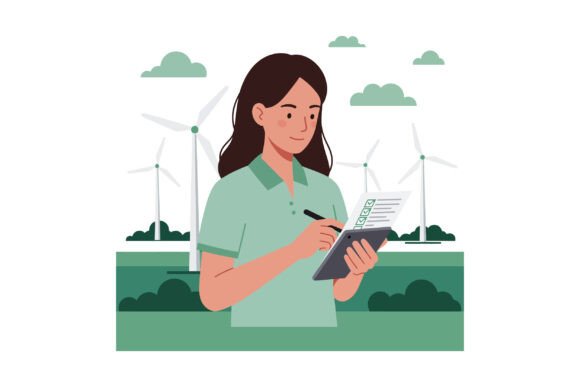
When we see a woman with checklist in green shirt near wind turbines and bushes, we’re witnessing a powerful visual metaphor for modern environmentalism. This image captures the essence of intentional action, organization, and a deep connection to sustainable living. The checklist in her hand symbolizes planning and accountability—key components in any environmental initiative. Her green shirt subtly reinforces the eco-friendly message, while the wind turbines in the background serve as a reminder of renewable energy in practice.
This visual representation is more than just a photograph; it’s a story of purposeful engagement with the environment. Whether used in marketing materials, educational content, or advocacy campaigns, the image of a woman wearing a green shirt writes on a checklist outdoors with wind turbines and bushes in the background conveys a sense of clarity, focus, and responsibility. It speaks to professionals, educators, and everyday individuals who are looking to make informed, sustainable choices in their daily lives.
Applications of Visual Storytelling in Environmental Communication
Visual storytelling has become an essential tool in conveying complex environmental messages in a digestible format. Images like the one described help bridge the gap between abstract sustainability goals and actionable steps. They are particularly effective in:
- Educational materials: Teaching students about renewable energy, environmental planning, and personal responsibility.
- Marketing campaigns: Promoting eco-friendly products, services, or initiatives with a human-centric approach.
- Corporate sustainability reports: Illustrating commitment to green practices through relatable imagery.
- Workshops and presentations: Engaging audiences with visuals that represent active participation in environmental efforts.
Professionals in marketing, education, and nonprofit sectors can benefit from incorporating such imagery into their content strategies. It not only enhances the aesthetic appeal but also strengthens the emotional and intellectual connection to the message being delivered.
Why This Image Resonates Across Industries
The versatility of the image—woman with checklist in green shirt near wind turbines—makes it relevant across a wide range of fields. Here’s how different audiences might interpret and utilize this visual:
- Business owners: As a symbol of sustainable business practices, particularly in industries transitioning to green operations.
- Researchers: To visually represent data collection, fieldwork, or policy implementation in environmental studies.
- Content creators: As a stock image that supports articles, infographics, and social media posts about sustainability, productivity, and mindful living.
- Homeowners and hobbyists: To inspire personal eco-friendly projects, from gardening to energy conservation.
This image’s ability to communicate both focus and environmental awareness makes it a valuable asset in any content strategy aimed at promoting conscious living and sustainable development.
Key Characteristics of the Image
Breaking down the components of the image reveals several important visual cues that contribute to its effectiveness:
- Green shirt: Represents eco-friendliness and aligns with the theme of environmental consciousness.
- Checklist: Symbolizes planning, goal-setting, and accountability—essential for any sustainable initiative.
- Outdoor setting: Connects the subject directly with nature, reinforcing authenticity and hands-on involvement.
- Wind turbines: Serve as a backdrop of renewable energy, grounding the image in real-world sustainability efforts.
- Bushes and natural surroundings: Enhance the organic feel of the image and emphasize the importance of preserving green spaces.
Together, these elements create a layered narrative that goes beyond aesthetics. They invite the viewer to consider the role of individual action in broader environmental movements.
How to Use the Image Effectively
Whether you’re designing a presentation, creating a blog post, or developing marketing collateral, the image of a woman wearing a green shirt writes on a checklist outdoors with wind turbines and bushes in the background can be leveraged in multiple ways:
- Header image: Use it as the main visual for articles or landing pages focused on sustainability topics.
- Social media visuals: Crop or overlay text to create engaging posts for platforms like Instagram, LinkedIn, or Facebook.
- Infographics: Integrate the image into sections that discuss planning, goal-setting, or environmental action steps.
- Email newsletters: Feature the image in headers or banners to reinforce your brand’s commitment to eco-conscious values.
Because the image is available in multiple formats—SVG, EPS, JPG, and PNG—it can be easily adapted for both print and digital use. High-resolution versions ensure clarity across different platforms, while vector formats allow for scalable use without loss of quality.
Choosing the Right File Format
Understanding the strengths of each file type included in the downloadable ZIP package helps ensure optimal use:
- SVG (Scalable Vector Graphics): Ideal for web use and responsive designs. Maintains clarity at any size.
- EPS (Encapsulated PostScript): Best for high-quality print materials like brochures or posters.
- JPG (Joint Photographic Experts Group): Suitable for general digital use, especially when file size is a concern.
- PNG (Portable Network Graphics): Offers lossless compression and transparency support, perfect for overlays or digital graphics.
By selecting the appropriate format for your specific needs, you can maximize the impact of the image while maintaining professional quality.
Considerations for Ethical and Inclusive Representation
As with any visual content, it’s important to consider how the image aligns with principles of diversity, inclusivity, and ethical representation. The image of a woman with checklist in green shirt near wind turbines should ideally reflect a broad spectrum of age, ethnicity, and professional background to ensure it resonates with a wide audience.
Additionally, the image should be used in contexts that respect the subject’s dignity and intent. Avoid manipulating the image in ways that distort its original meaning or place it in misleading contexts. Always ensure that the usage aligns with the intended message of environmental awareness and personal responsibility.
Inspiring Action Through Visual Content
Ultimately, the power of this image lies in its ability to inspire action. A woman wearing a green shirt writes on a checklist outdoors with wind turbines and bushes in the background is not just a static image—it’s a call to organize, reflect, and act on environmental values. Whether used in a corporate setting, educational environment, or personal blog, this visual can serve as a reminder that sustainability is not just a goal, but a process that requires planning, awareness, and consistent effort.
By incorporating this image into your content, you’re not only enhancing visual appeal but also reinforcing a message of responsibility, clarity, and proactive change. In a world where information is often overwhelming, such visuals provide a grounding presence that encourages thoughtful engagement with the environment.